
 EN
EN
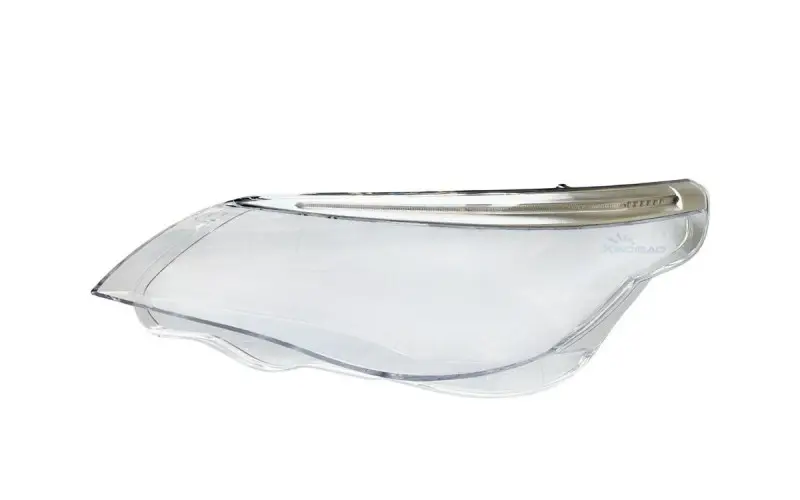
For auto parts distributors, sourcing a reliable mercedes headlight is far more complex than simply finding the lowest price. The mercedes headlight market is saturated with options ranging from genuine OEM parts to low-grade aftermarket replicas, and the quality gap between them can be enormous. A distributor who selects the wrong supplier risks product returns, warranty claims, and long-term damage to their business reputation. Understanding how to evaluate and verify a mercedes headlight supplier is therefore one of the most important skills a distributor can develop.
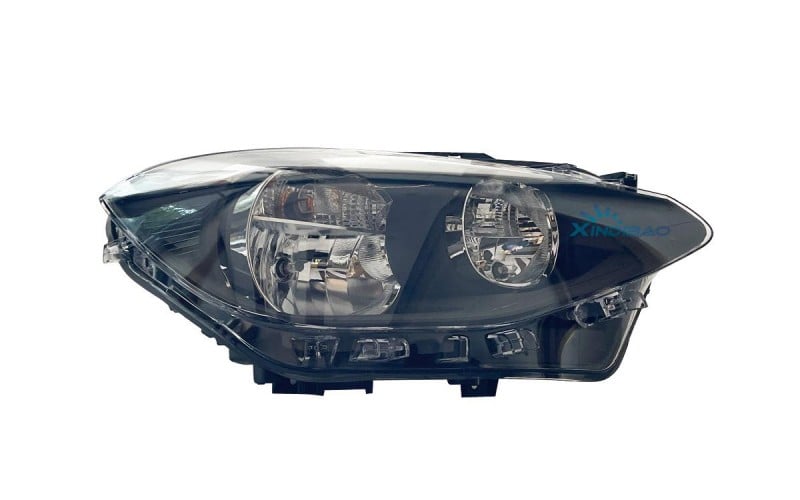
The demand for a quality mercedes headlight continues to grow as Mercedes-Benz vehicles remain among the most popular luxury cars on the road globally. Each mercedes headlight unit is expected to meet strict safety, fitment, and durability standards. Distributors who consistently deliver a high-quality mercedes headlight build stronger relationships with their retail and workshop customers, gaining a competitive edge that goes well beyond price. This article outlines the practical evaluation framework that distributors can use when assessing mercedes headlight suppliers.
Core Quality Indicators for a Mercedes Headlight Supplier
Material and Manufacturing Standards
The first thing a distributor should examine is the physical build quality of the mercedes headlight. A genuine-grade mercedes headlight uses polycarbonate lenses with UV-protective coatings, precisely molded housings, and properly sealed internal chambers to prevent moisture ingress. When evaluating a supplier, always request a sample mercedes headlight and inspect the lens clarity, the reflector finish, and the seam quality of the housing. A substandard mercedes headlight will often show uneven seams, cloudy lenses, or poorly fitted bulb sockets. These physical defects are reliable indicators of poor manufacturing processes behind the supplier's production line.
A credible mercedes headlight supplier should also be able to demonstrate compliance with relevant safety and quality certifications. Look for certifications such as ECE R112 or DOT compliance markings on the mercedes headlight itself. These certifications confirm that the mercedes headlight has been tested for beam pattern, intensity, and road safety performance. A supplier who cannot provide certification documentation for their mercedes headlight should be treated with caution regardless of the price point they offer.
Product Range and Model Coverage
A supplier worth partnering with should carry a comprehensive range of mercedes headlight models covering multiple Mercedes-Benz generations and trim levels. The ability to supply a mercedes headlight for models such as the C-Class, E-Class, S-Class, and GLE series demonstrates genuine depth in the supplier's inventory and technical capability. A narrow product range often signals a supplier who sources a mercedes headlight opportunistically rather than maintaining a structured and quality-controlled catalog. Distributors should request a full mercedes headlight product list and cross-reference it against the demand patterns in their own market.
Supplier Verification and Business Credibility
Factory Audit and Production Capacity
One of the most reliable ways to verify a mercedes headlight supplier is to conduct or commission a factory audit. A proper audit reviews whether the supplier has dedicated production lines for the mercedes headlight category, what quality control checkpoints are in place, and how the supplier handles defective units. Distributors who cannot travel for an in-person audit should ask for third-party inspection reports or video walkthroughs of the mercedes headlight production process. A transparent and confident supplier will welcome this scrutiny because it reflects their commitment to quality.
Production capacity is equally important when evaluating a mercedes headlight supplier. A supplier who can only fulfill small occasional orders may not be a sustainable partner as your distribution business scales. Ask specifically about the supplier's monthly output capacity for the mercedes headlight models most relevant to your market. Understanding lead times, minimum order quantities, and buffer stock availability for the mercedes headlight gives distributors the data needed to plan inventory and avoid stockouts during peak demand periods.
Track Record and Market References
Supplier reputation in the market is a powerful signal when evaluating a mercedes headlight partner. Ask the supplier for references from existing distributors who carry their mercedes headlight products. Speak directly with those references about product consistency, defect rates, and after-sales support for the mercedes headlight. A supplier with a strong track record will be able to provide verifiable references without hesitation. Online trade platforms can also reveal buyer feedback about the supplier's mercedes headlight quality and reliability, which adds another layer of due diligence beyond what the supplier presents directly.
After-Sales Support and Long-Term Partnership Value
Warranty and Return Policy for Defective Units
A high-quality mercedes headlight supplier stands behind their product with a clear and fair warranty policy. Before committing to a supplier, distributors should clarify exactly what the warranty covers for each mercedes headlight unit. Does the warranty cover lens fogging, electrical failure, or physical cracks under normal use? How quickly does the supplier process a replacement mercedes headlight claim? A supplier who offers vague or verbal-only warranties on the mercedes headlight is not a reliable long-term partner. Strong after-sales support is especially critical in the automotive lighting segment because a defective mercedes headlight can affect driver safety and create liability concerns for the entire supply chain.
Technical Support and Fitment Accuracy
Installation fitment is a common pain point in the mercedes headlight category. Even a visually attractive mercedes headlight can fail if the mounting bracket positions, wiring harness connectors, or alignment tabs do not match the original vehicle specifications exactly. A quality supplier should be able to provide detailed fitment guides, OEM reference numbers, and technical support for each mercedes headlight model in their range. Distributors who receive accurate fitment documentation for the mercedes headlight will have far fewer returns and installation complaints from their downstream customers. This technical support dimension is often overlooked during supplier selection but has a significant impact on operational efficiency over time.
FAQ
What certifications should a mercedes headlight supplier have?
A credible mercedes headlight supplier should hold certifications such as ECE R112, DOT compliance, or ISO 9001 quality management certification. These certifications confirm that each mercedes headlight unit has been independently tested and meets established safety and performance standards for road use.
How can distributors verify the quality of a mercedes headlight before placing a large order?
Distributors should always request samples of the mercedes headlight before committing to a bulk order. Inspect the lens clarity, housing seams, connector quality, and certification markings on the mercedes headlight sample. If possible, arrange a factory audit or third-party inspection to validate production quality at the source.
Why does fitment accuracy matter so much when sourcing a mercedes headlight?
A mercedes headlight that does not fit the vehicle precisely creates installation problems, misaligned beam patterns, and customer dissatisfaction. Accurate fitment ensures that the mercedes headlight functions safely, meets regulatory requirements, and reduces return rates for distributors. Always confirm OEM reference compatibility before finalizing any mercedes headlight purchase.