 EN
EN
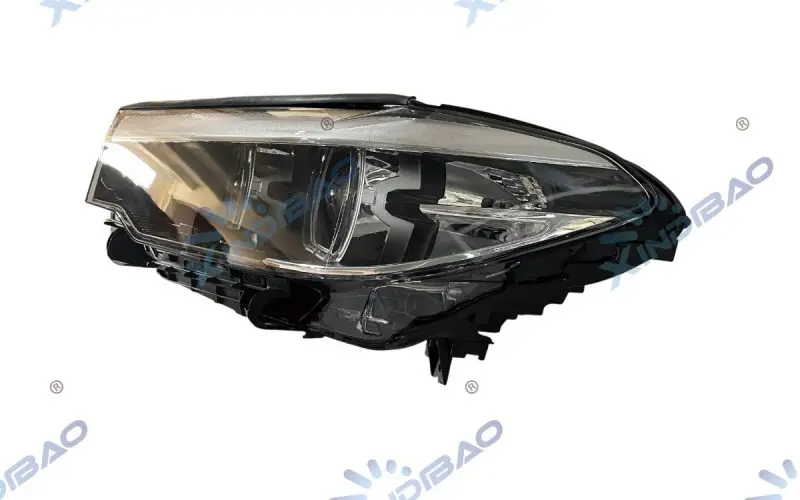
For importers entering the aftermarket automotive lighting sector, evaluating a bmw headlight correctly before committing to long-term distribution is one of the most critical steps in building a reliable supply chain. The BMW brand commands strong demand across global markets, and buyers expect replacement parts to match the fit, function, and finish of original equipment. When a bmw headlight falls short of those expectations, the consequences reach far beyond a single return — they damage distributor credibility and erode buyer trust over time.
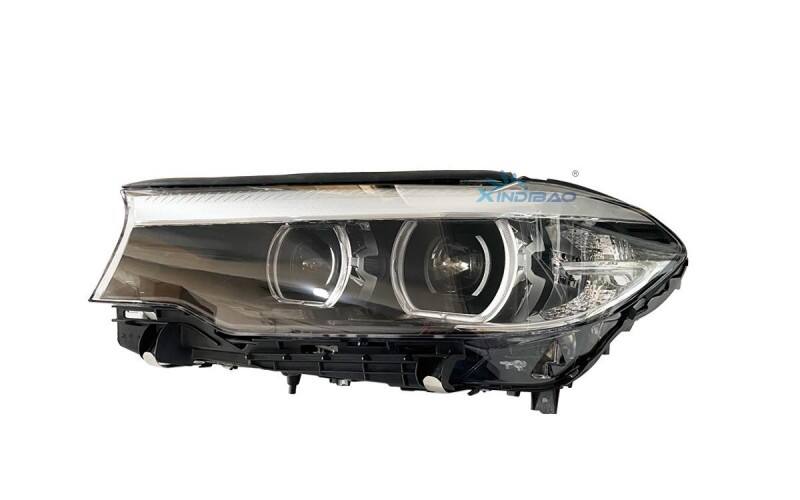
Understanding how to assess a bmw headlight for aftermarket distribution requires a structured, multi-layered approach. Importers must go beyond visual inspection and examine material quality, optical performance, compliance certifications, and supplier consistency. This article provides a practical evaluation framework so that importers can make confident sourcing decisions and build a sustainable bmw headlight distribution business that withstands market scrutiny.
Structural and Material Quality Standards
Housing and Lens Integrity
The outer housing and lens of a bmw headlight are the first indicators of production quality. A properly manufactured bmw headlight will use polycarbonate lens material that resists UV degradation, yellowing, and impact stress. Importers should physically inspect sample units for uniform lens thickness, clean mold seams, and smooth surface finishes. Any bmw headlight showing uneven edges, visible tool marks, or bubbling in the lens material should be treated as a quality risk. These defects often indicate low-grade tooling or inconsistent injection molding processes at the factory level.
The housing body of a bmw headlight should be rigid, properly ribbed for structural support, and free from warping. When you press lightly on the housing of a quality bmw headlight, it should feel solid and not flex. Poor-quality housing materials may look acceptable in photographs but will fail in real-world temperature cycling, particularly in markets with wide climate variation. Requesting pre-shipment physical samples is essential before placing a bulk bmw headlight import order.
Sealing and Weatherproofing
A bmw headlight must maintain a sealed internal environment to protect LED boards, projector lenses, and reflector surfaces from moisture infiltration. Importers should ask suppliers directly about the sealing method used on each bmw headlight unit — whether it uses butyl adhesive, heat bonding, or gasket compression. A reliable bmw headlight supplier should be able to provide documented IP rating data, typically IP65 or higher for automotive-grade units. Conducting a basic humidity chamber or spray test on sample units gives importers real-world confidence in the bmw headlight seal durability before distribution commitments are made.
Optical Performance and Lighting Compliance
Beam Pattern and Light Output
The core function of any bmw headlight is to produce safe, legal, and effective illumination. Importers should test beam pattern output against ECE R112 or SAE J1383 standards, depending on the target distribution market. A properly engineered bmw headlight will produce a sharp cutoff line in low beam mode, ensuring that oncoming traffic is not blinded while road coverage remains maximized. Any bmw headlight that produces scattered light, a vague cutoff, or inconsistent beam angles should be rejected for distribution, as these units may fail regional road safety inspections. Using a light meter and a standard beam alignment wall during sample evaluation is a straightforward way to assess this critical parameter.
Lumen output and color temperature consistency matter significantly when distributing a bmw headlight at scale. Buyers expect every bmw headlight unit in a shipment to perform identically, so importers should request batch-level photometric test reports from suppliers. A reputable bmw headlight manufacturer will maintain tight tolerance controls across production runs, reducing the variance in light output between individual units. Verifying these reports against independent spot-check testing adds another layer of confidence for the importer.
Certification and Compliance Documentation
For professional bmw headlight distribution, compliance documentation is not optional. Importers must verify that each bmw headlight model is accompanied by valid ECE, DOT, or regional homologation certificates depending on the destination market. A trustworthy bmw headlight supplier will proactively share these documents and update them when production specifications change. Be cautious of any bmw headlight source that cannot provide original certification files or that offers generic certificates covering multiple unrelated products. Authentic compliance documentation demonstrates that the bmw headlight has undergone controlled testing under defined conditions, which is a baseline requirement for professional aftermarket channels.
Supplier Consistency and Long-Term Distribution Fit
Production Consistency Across Batches
One of the most overlooked risks in bmw headlight importing is batch-to-batch inconsistency. A supplier may deliver an excellent first sample bmw headlight but gradually reduce material quality once volume orders begin. Importers should establish clear incoming quality control protocols, including random sampling of each bmw headlight shipment against the approved sample standard. Defining acceptable tolerance ranges for fit, finish, lumen output, and color temperature in a written quality agreement before the first order protects the importer from quality drift over time. Treating bmw headlight procurement as an ongoing quality relationship rather than a one-time transaction is the mindset that builds durable distribution partnerships.
Fitment Accuracy and OEM Reference Matching
A bmw headlight that does not fit correctly creates immediate problems for end installers and generates returns that damage distributor reputation. Importers must cross-reference every bmw headlight part number against the correct BMW OEM reference and verify physical fitment on actual vehicle frames during the sample evaluation phase. Key fitment checkpoints for any bmw headlight include mounting bracket alignment, connector pin configuration, and adjustment screw engagement. A bmw headlight that passes optical and material tests but fails fitment verification is not distribution-ready. Requesting CAD drawings or 3D scan comparisons from suppliers adds technical depth to the fitment evaluation process and reduces costly post-import surprises.
FAQ
What certifications should a bmw headlight have for European market distribution?
A bmw headlight intended for European distribution should carry ECE R112 certification for the light source and beam pattern, along with relevant ECE R48 vehicle lighting installation compliance. Importers should request original certificate copies directly from the supplier and verify the issuing authority. A properly certified bmw headlight will have clear markings on the lens identifying the approval category and country of certification.
How many sample units should an importer test before placing a bulk bmw headlight order?
Industry practice suggests testing a minimum of three to five bmw headlight sample units per model before approving a bulk order. Testing multiple units of the same bmw headlight model allows importers to assess production consistency rather than relying on a single potentially hand-finished prototype. Each sample bmw headlight should undergo both functional testing and physical fitment verification to confirm readiness for large-scale distribution.
What is the most common quality failure found in aftermarket bmw headlight products?
The most common quality failure in aftermarket bmw headlight products is moisture ingress caused by poor sealing, which leads to internal fogging, condensation, and premature LED failure. Importers evaluating a bmw headlight should prioritize seal quality testing and request IP rating documentation as a standard part of supplier qualification. Addressing bmw headlight sealing quality upfront prevents the highest-volume warranty claims in aftermarket lighting distribution.