 EN
EN
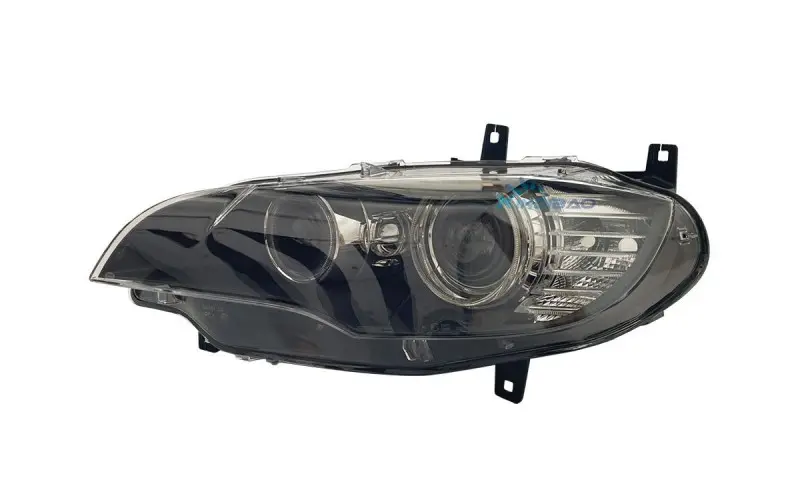
Choosing the right mercedes headlight for international aftermarket channels is a decision that involves far more than simply matching a part number. Distributors, importers, and wholesale buyers must navigate varying regional standards, fitment compatibility demands, and customer expectations that differ significantly from one market to the next. Getting this selection process right from the start directly determines whether a mercedes headlight product line succeeds or stalls in a target market.
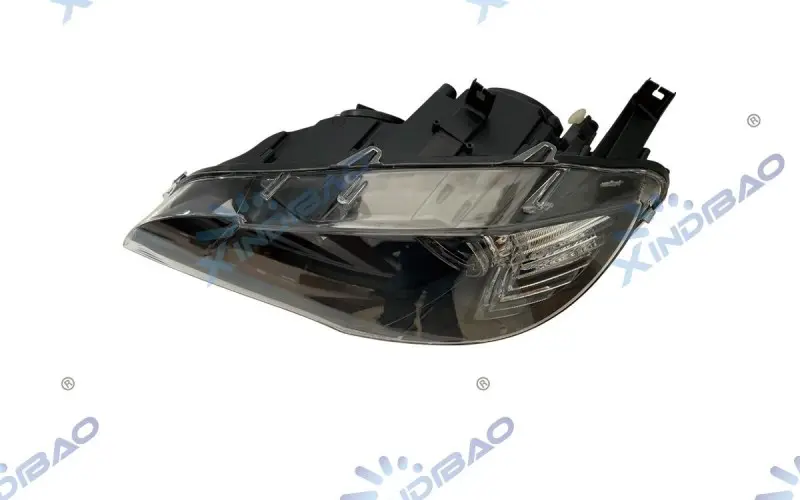
The international aftermarket for the mercedes headlight segment is competitive and highly detail-driven. Buyers expect precise fitment, consistent quality, and documentation that supports customs clearance and regional compliance. This guide walks through the essential criteria every aftermarket channel should evaluate before committing to a mercedes headlight product selection, from technical specs to commercial positioning.
Understanding Fitment and Model Coverage
Why Model-Year Accuracy Matters for a Mercedes Headlight
The mercedes headlight segment covers an exceptionally wide range of models, from compact A-Class units to full-size S-Class assemblies. Each generation within the same model line may use a completely different mercedes headlight design, mounting bracket configuration, or electrical connector type. For aftermarket channel partners, stocking the wrong generation of a mercedes headlight means returned shipments, delayed deliveries, and damaged buyer relationships.
When evaluating a mercedes headlight product range, always cross-reference OEM part numbers with production year ranges. A reliable supplier should provide clear fitment charts that specify which mercedes headlight unit corresponds to which chassis code and production period. This level of detail is non-negotiable for international buyers who cannot afford inventory mismatches across long supply chains.
Left-Hand and Right-Hand Drive Variants
A mercedes headlight is not universally symmetrical. Left-hand drive and right-hand drive markets require different beam pattern configurations to meet local road safety rules. A mercedes headlight sold into the United Kingdom or Australia, for example, must project light appropriately for left-side traffic. Aftermarket channels serving multiple regions must ensure their mercedes headlight inventory is properly segmented by drive orientation, and suppliers must label these variants clearly to prevent costly mix-ups.
Compliance, Certification, and Quality Standards
Regional Compliance for the Mercedes Headlight
International aftermarket distribution of a mercedes headlight requires attention to regional certification requirements. ECE R112 and ECE R123 regulations govern headlight beam performance across most European markets. In contrast, markets such as the United States apply FMVSS 108 standards. A mercedes headlight intended for the European market must carry appropriate ECE markings, while one destined for North America must conform to SAE standards. Distributing an uncertified mercedes headlight in a regulated market can result in customs rejection, legal liability, or product recalls.
Beyond beam output standards, the mercedes headlight assembly must also meet expectations for material durability. Polycarbonate lens clarity, UV-resistant coatings, and waterproof IP ratings are all critical factors. A mercedes headlight that degrades quickly under UV exposure or moisture intrusion will generate after-sales complaints that damage the distributor's reputation in that channel.
Evaluating Build Quality Before Committing to a Mercedes Headlight
Quality assessment for a mercedes headlight should go beyond visual inspection. Functional testing should include beam alignment verification, turn signal sequencing for models with dynamic indicators, and wiring harness resistance checks. For adaptive or LED matrix variants of the mercedes headlight, software compatibility with the vehicle's electronic control unit is an additional layer of verification. International channel partners should request pre-shipment inspection reports and, where possible, request sample units for independent validation before placing large orders.
Commercial Criteria for Aftermarket Channel Success
Pricing Structure and Margin Logic for Mercedes Headlight Products
The pricing of a mercedes headlight in the aftermarket must balance competitiveness with sustainable margin. Premium-brand Mercedes vehicles attract buyers who expect quality, meaning a very low-cost mercedes headlight may be rejected on perceived value grounds even if it meets technical specs. Aftermarket channel operators should assess the local willingness-to-pay and position each mercedes headlight SKU accordingly. Tiered product offerings, such as economy-grade and premium-grade variants of the mercedes headlight, can help capture different buyer segments within the same regional channel.
Packaging and branding for each mercedes headlight unit also play a commercial role. Clear part number labeling, multilingual installation guides, and professional packaging improve the perceived value of the mercedes headlight at point of sale. These elements reduce installation errors and support higher resale prices within the channel network.
Supply Chain Reliability for the Mercedes Headlight
For international aftermarket channels, supply consistency is as important as product quality. A mercedes headlight that cannot be replenished reliably disrupts channel performance and forces buyers to seek alternative suppliers. When selecting a mercedes headlight source, evaluate minimum order quantities, lead times, safety stock availability, and the supplier's track record with cross-border logistics. A supplier who can provide a mercedes headlight with stable lead times and consistent quality batch after batch is far more valuable than one offering marginally lower unit costs but unpredictable delivery.
Documentation readiness is another supply chain factor. Customs clearance for a mercedes headlight across different jurisdictions requires accurate HS codes, certificates of conformity, and material safety disclosures where applicable. Suppliers who proactively prepare this documentation for each mercedes headlight shipment significantly reduce the administrative burden on the importer and accelerate market entry timelines.
FAQ
What certifications should a mercedes headlight have for European market distribution?
A mercedes headlight sold in European markets should carry ECE R112 or ECE R123 approval markings depending on the headlight type. These certifications confirm that the mercedes headlight meets the beam pattern, intensity, and color standards required under EU road safety regulations. Always verify that the specific mercedes headlight variant you are sourcing holds the correct approval for the target country.
How do I confirm that a mercedes headlight fits a specific model and production year?
To confirm fitment, cross-reference the OEM part number with the vehicle's chassis code and production date range. A reliable mercedes headlight supplier will provide detailed fitment data for each SKU. If you have access to the vehicle identification number, you can also use it to decode the exact production specification and confirm which mercedes headlight assembly is required.
Can I stock a single mercedes headlight SKU for both left-hand and right-hand drive markets?
No. A mercedes headlight is beam-pattern specific and cannot be used interchangeably between left-hand and right-hand drive vehicles. Each market requires the correct mercedes headlight variant to ensure safe light projection and legal compliance. Stocking separate SKUs for each drive orientation is essential when serving multiple international markets with your mercedes headlight product range.