 EN
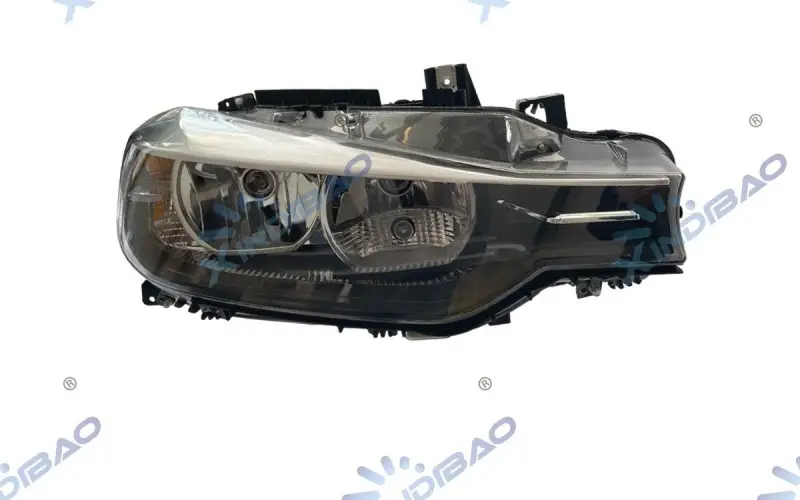
When buyers, distributors, and workshop professionals evaluate a mercedes headlight housing, they are not simply choosing a cosmetic component. They are making a judgment about safety, durability, fitment accuracy, and long-term value. The mercedes headlight housing sits at the intersection of optical engineering and structural design, meaning that even small variations in material composition or dimensional tolerance can produce measurable differences in real-world performance. Understanding what drives quality in this component is essential for anyone operating in the automotive parts market.
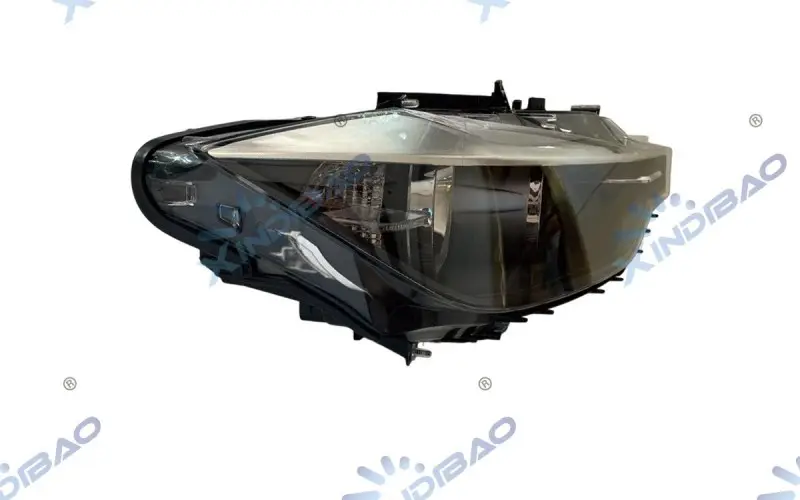
Market acceptance of a mercedes headlight housing depends on more than physical performance alone. It is also shaped by how well the part meets the expectations of professional installers, end consumers, and regulatory bodies across different regions. A mercedes headlight housing that performs well mechanically but fails in visual match or documentation compliance will struggle to gain traction even in price-sensitive channels. This article explores the key factors that determine both quality and market acceptance for this critical automotive component.
Material Selection and Structural Integrity
Polycarbonate Lens and Housing Body Composition
The outer lens of a mercedes headlight housing is typically manufactured from polycarbonate due to its impact resistance and optical clarity. However, not all polycarbonate formulations deliver the same long-term performance. A high-quality mercedes headlight housing uses UV-stabilized polycarbonate that resists yellowing, hazing, and surface micro-cracking under prolonged sun exposure. Inferior polycarbonate grades degrade faster, reducing light output and increasing the risk of housing failure. The housing body itself, usually made from reinforced thermoplastic, must maintain dimensional stability across a wide temperature range.
When assessing a mercedes headlight housing, buyers should ask about the specific grade of materials used and whether independent testing data is available. A mercedes headlight housing built with high-grade polycarbonate and glass-fiber-reinforced housing material demonstrates a clear commitment to durability. This material discipline directly affects how the product performs over years of vehicle operation and directly influences buyer confidence in competitive markets.
Thermal Management and Moisture Sealing
A mercedes headlight housing must manage significant heat output, particularly in units that accommodate halogen, HID, or LED light sources. Poor thermal design leads to deformation of internal reflective surfaces or premature degradation of optical coatings. Quality manufacturers engineer ventilation channels and heat-resistant internal coatings into each mercedes headlight housing to ensure thermal performance remains consistent across operating conditions. Moisture ingress is another critical concern. A well-sealed mercedes headlight housing uses high-quality butyl or silicone sealants at all joints, preventing condensation buildup that would impair visibility and corrode electrical connectors.
Dimensional Accuracy and Fitment Precision
OEM-Level Tolerance Matching
For a mercedes headlight housing to gain acceptance in professional installation environments, it must match the original equipment manufacturer dimensions with high precision. Workshops expect a mercedes headlight housing to align with factory mounting points, wiring harness connectors, and aerodynamic body panels without modification. Even a slight deviation in bracket positioning or lens curvature can result in visible panel gaps, misaligned beam projection, or rejection during vehicle inspection. Dimensional accuracy is therefore not a secondary concern — it is a primary quality benchmark that distinguishes a marketable mercedes headlight housing from a rejected one.
Rigorous dimensional verification typically involves three-dimensional scanning and comparison against OEM reference data. A mercedes headlight housing supplier that invests in this verification process signals to buyers that fitment reliability is built into the production workflow, not checked only at final inspection. This level of process discipline is especially important for Mercedes-Benz vehicle platforms, where tight body tolerances leave little room for dimensional error in any structural or optical component like the mercedes headlight housing.
Connector Compatibility and Plug-and-Play Readiness
A mercedes headlight housing that requires wiring modification during installation creates friction in the supply chain. Distributors and end buyers consistently favor a mercedes headlight housing that provides full plug-and-play compatibility with the original vehicle wiring harness. This means that connector types, pin configurations, and cable routing must replicate the OEM specification exactly. When a mercedes headlight housing achieves true plug-and-play readiness, installation time decreases, technician error rates fall, and warranty claim rates improve — all of which strengthen the product's reputation in the market.
Regulatory Compliance and Market Documentation
Regional Certification Standards
Market acceptance of a mercedes headlight housing is heavily influenced by whether it carries the appropriate regulatory certifications for the intended sales region. In European markets, an ECE-compliant mercedes headlight housing must meet specific photometric and mechanical standards before it can be legally installed on public roads. In North American markets, DOT compliance is the equivalent requirement. A mercedes headlight housing lacking proper certification faces rejection at the distribution and retail level, regardless of its physical quality. Certification is therefore not optional — it is the minimum credibility threshold for market entry.
Beyond base-level certification, a mercedes headlight housing that carries additional testing documentation, such as salt spray resistance reports, vibration endurance test results, or IP-rated ingress protection data, commands stronger buyer confidence. Distributors sourcing a mercedes headlight housing for professional automotive retailers increasingly require this supplementary documentation as part of their quality assurance process. Suppliers who proactively provide test reports position their mercedes headlight housing as a premium option even in competitive pricing environments.
Visual Match and Brand Perception
The visible appearance of a mercedes headlight housing plays a direct role in market acceptance, especially in the premium vehicle segment. Mercedes-Benz vehicles carry strong brand associations with design sophistication, and buyers expect replacement parts to honor that visual standard. A mercedes headlight housing that closely matches the chrome finish depth, DRL signature pattern, and lens texture of the original unit will gain faster acceptance from both end consumers and professional workshops. Visual mismatches, even minor ones, erode trust in the mercedes headlight housing and increase return rates, which damages the supplier's position in the distribution channel.
FAQ
What materials are most critical in a high-quality mercedes headlight housing?
UV-stabilized polycarbonate for the outer lens and glass-fiber-reinforced thermoplastic for the housing body are the most critical materials. A quality mercedes headlight housing also requires high-grade sealants and heat-resistant internal coatings to ensure long-term optical and structural performance.
Why does fitment precision matter so much for a mercedes headlight housing?
Mercedes-Benz vehicles use tight body tolerances, meaning a mercedes headlight housing with even minor dimensional deviation will cause panel gaps, beam misalignment, or installation rejection. Precise fitment also reduces technician labor time and warranty claim rates, making it a key factor in market acceptance.
Which certifications should a mercedes headlight housing carry for international distribution?
A mercedes headlight housing intended for European markets should carry ECE certification, while units sold in North America require DOT compliance. Supplementary documentation such as salt spray test results and IP ingress protection ratings further strengthen buyer confidence and support acceptance in premium distribution channels.