 EN
EN
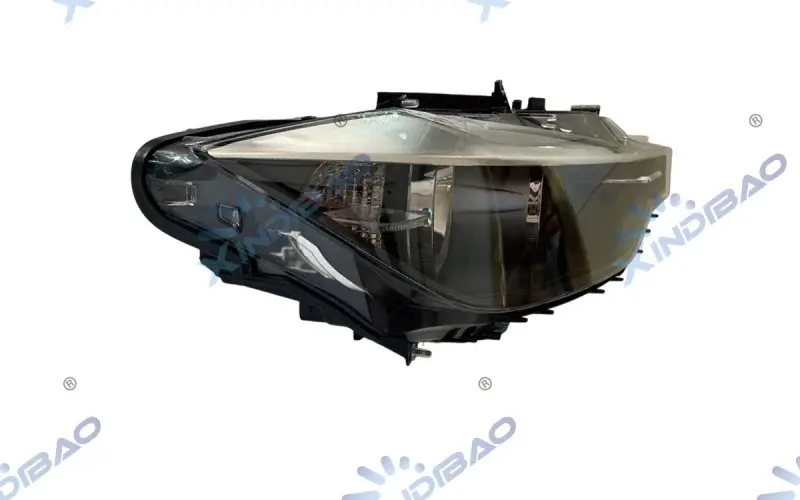
When sourcing automotive lighting components for international distribution, the mercedes headlight stands out as one of the most scrutinized products in the global aftermarket. Importers from Europe, the Middle East, Southeast Asia, and beyond consistently rank the mercedes headlight among their top-priority SKUs due to strong end-market demand and premium brand association. Understanding which specific features drive purchasing decisions is essential for any importer aiming to stay competitive in this high-stakes segment.
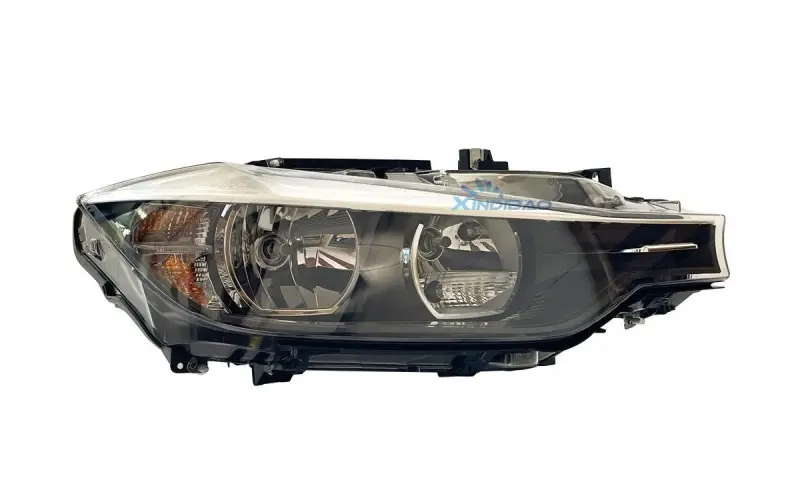
The global demand for the mercedes headlight is not simply about illumination. It reflects a broader expectation for technology, durability, and precise fitment. Importers must evaluate each mercedes headlight against a complex matrix of technical standards, regional regulations, and buyer preferences. This article breaks down the most valued features that shape sourcing decisions across major importing markets.
Lighting Technology and Optical Performance
LED and Matrix LED Systems
Among the most valued attributes of any mercedes headlight is the type of lighting technology embedded within the unit. LED-based systems dominate importer preference because they deliver higher luminous efficiency, lower power consumption, and a longer operational lifespan compared to traditional halogen units. A mercedes headlight equipped with full LED or matrix LED architecture is consistently ranked as a premium offering that commands stronger resale margins.
Matrix LED technology in a mercedes headlight allows for selective beam control, enabling the system to illuminate the road without blinding oncoming traffic. This function is especially valued in markets with strict road safety regulations. Importers supplying to the European Union and Gulf Cooperation Council regions frequently specify matrix LED capability as a non-negotiable requirement when placing bulk orders for any mercedes headlight product.
Adaptive and Dynamic Lighting Functions
Another heavily weighted feature is the adaptive function of the mercedes headlight. An adaptive mercedes headlight automatically adjusts its beam angle in response to vehicle speed, steering input, and road curvature. This dynamic response significantly improves nighttime visibility and is recognized by end-users and fleet operators as a measurable safety upgrade. Importers targeting premium car dealerships and professional fleet managers consistently prioritize adaptive capability when evaluating a mercedes headlight for their catalog.
Build Quality, Fitment Precision, and Compliance
OEM-Grade Construction and Sealing Standards
Global importers place significant weight on the structural integrity of each mercedes headlight unit. A mercedes headlight that meets OEM-grade construction standards offers confidence in terms of housing durability, UV-resistant polycarbonate lenses, and IP-rated sealing against moisture and dust ingress. Markets in humid tropical climates such as Southeast Asia and sub-Saharan Africa particularly demand a mercedes headlight that can withstand environmental stress without lens clouding or electrical failure.
The sealing quality of a mercedes headlight directly affects warranty return rates, which is a critical metric for importers managing after-sales service obligations. When importers evaluate a mercedes headlight at trade shows or through supplier samples, the first physical inspection almost always focuses on the quality of the housing seal, the connector housing, and the lens surface finish. A well-sealed mercedes headlight minimizes post-sale complaints and builds long-term importer confidence.
Plug-and-Play Fitment and Regulatory Certification
Fitment precision is another decisive factor. A mercedes headlight that installs without modification, aligns correctly with the vehicle body, and connects seamlessly to factory wiring systems is far more attractive to importers than a unit requiring custom adaptation. The plug-and-play design of a certified mercedes headlight reduces installation labor costs for repair shops and dealerships, which translates directly into a sourcing advantage.
Regulatory certification is equally critical. An importable mercedes headlight must typically carry ECE R112 or SAE certification depending on the destination market. Importers distributing into the European market require ECE-certified units without exception. A mercedes headlight lacking the appropriate regulatory marking will face customs delays or outright rejection. Suppliers who provide a mercedes headlight with complete certification documentation are consistently preferred by professional importers managing compliance risk.
Commercial Value Factors That Drive Importer Selection
Model Coverage and Catalog Depth
Importers do not operate in single-model niches. They require a mercedes headlight range that spans multiple vehicle generations and model lines. A supplier offering a mercedes headlight for popular platforms such as the C-Class, E-Class, GLC, and S-Class within a unified catalog gives importers the ability to consolidate purchasing, reduce supplier count, and simplify logistics. Broad model coverage for the mercedes headlight is therefore a commercial differentiator that goes beyond individual product quality.
Catalog depth also means having both left-hand drive and right-hand drive variants of each mercedes headlight available. This is particularly important for importers supplying markets in the United Kingdom, Australia, Japan, and other right-hand-drive territories. A supplier with confirmed LHD and RHD availability for each mercedes headlight model instantly broadens the importer's addressable market.
Pricing Structure and Packaging Standards
While technology and quality define the mercedes headlight's appeal, commercial terms determine whether an import deal is viable. Importers evaluate the mercedes headlight against a total landed cost model that includes unit price, freight, duty, and warranty provisions. A competitively priced mercedes headlight that still meets all technical specifications gives importers room to price effectively in their local markets. Packaging standards, including foam-protected inner boxes and export carton specifications, also matter because a damaged mercedes headlight upon arrival generates direct losses and reorder delays.
FAQ
Why do importers prioritize LED over halogen when sourcing a mercedes headlight?
LED technology in a mercedes headlight offers a longer service life, lower energy draw, and a brighter, more focused beam pattern. These advantages reduce end-user replacement frequency and support premium pricing in the aftermarket, which importers find commercially attractive.
What certifications should a mercedes headlight carry for EU market entry?
A mercedes headlight intended for the European market must carry ECE R112 approval at minimum. Some markets also require ECE R48 vehicle lighting installation compliance. Importers should always request certification documentation from suppliers before committing to volume orders of any mercedes headlight product.
How does adaptive lighting affect the resale value of a mercedes headlight?
An adaptive mercedes headlight commands a higher resale price because it delivers a measurable safety and comfort benefit that end-users recognize. Fleet buyers and premium dealerships are especially willing to pay a premium for an adaptive mercedes headlight, which improves importer margins and reinforces the product's position in higher-value distribution channels. Sourcing from a reliable supplier like mercedes headlight specialists ensures consistent adaptive unit availability.