
 EN
EN
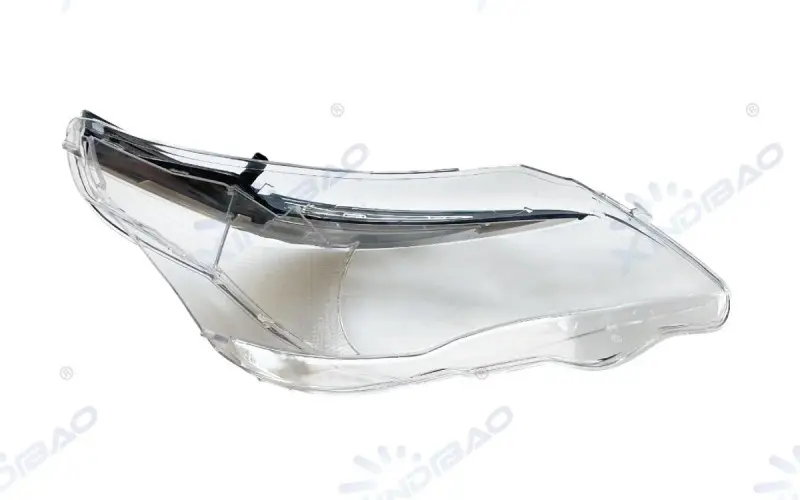
For any buyer placing a large wholesale or fleet order, confirming that a bmw headlight housing is fully compatible with the target vehicle model is one of the most critical steps before committing to bulk purchasing. A single overlooked detail in chassis codes, model year ranges, or trim-level variants can result in hundreds of units that do not fit, triggering costly returns, project delays, and strained supplier relationships. The stakes are especially high in the automotive aftermarket, where a bmw headlight housing must match precise mounting geometry, wiring harness connectors, and adaptive or non-adaptive system specifications.
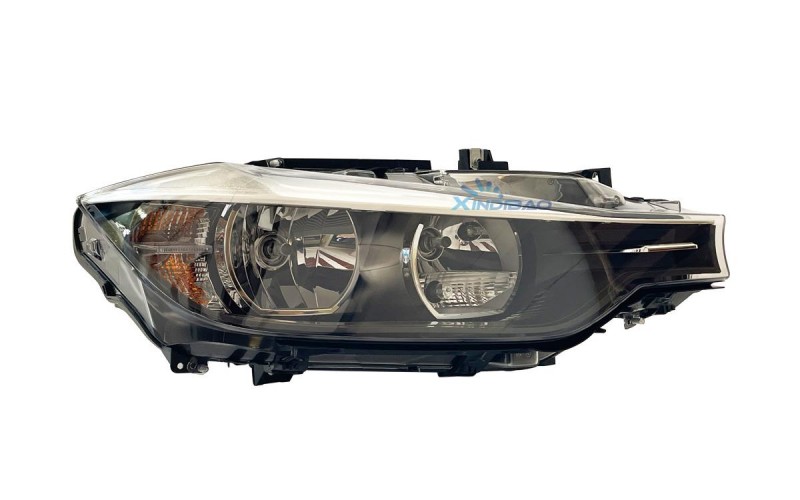
Experienced procurement teams understand that verifying a bmw headlight housing before large orders is not just about checking the part number on paper. It involves a structured validation process that combines documentation review, physical sample inspection, supplier transparency checks, and fitment testing protocols. This article breaks down each stage of that process so buyers can approach bulk bmw headlight housing orders with confidence and reduce the risk of expensive compatibility failures.
Understanding BMW Headlight Housing Specification Variables
Why BMW Model Variants Create Compatibility Complexity
BMW produces multiple body variants, production year ranges, and regional spec configurations for nearly every model line. For example, a bmw headlight housing designed for an F30 3 Series built between 2013 and 2015 may differ significantly from a unit built for the post-facelift 2016 to 2018 production window. Differences can include the projector lens design, internal LED module positioning, leveling motor connector type, and outer lens curvature. Buyers must map the exact build date range, chassis production code, and market destination before evaluating any bmw headlight housing unit.
Beyond the production year, buyers should always clarify whether the target vehicles were fitted with standard halogen headlights, bi-xenon systems, or adaptive full-LED setups at the factory. Each of these configurations requires a bmw headlight housing engineered to different internal dimensions and electrical interfaces. Mixing up these categories is one of the most common and expensive mistakes in bulk bmw headlight housing procurement.
Identifying the Correct OEM Part Reference for Each Vehicle
The OEM part number is the most reliable starting point for verifying any bmw headlight housing. Buyers should request the complete OEM reference from the supplier and cross-check it against BMW's official parts catalog or a trusted aftermarket cross-reference database. A reputable bmw headlight housing supplier will provide this number readily and will be able to explain any direct-fit aftermarket equivalents. If a supplier is unable to provide the OEM cross-reference for a bmw headlight housing, that is a meaningful warning signal for buyers to investigate further before placing any bulk commitment.
Pre-Order Verification Steps Buyers Should Follow
Requesting a Physical Sample Before Bulk Commitment
One of the most effective steps a buyer can take is requesting a physical sample of the bmw headlight housing before approving a large purchase order. A sample unit allows the procurement team to perform hands-on fitment checks on a known-good donor vehicle or using an accurate vehicle template. Key inspection points include the mounting tab positions, grommet alignment, dust cap clearance, and the alignment of the wiring harness connector to the vehicle's plug housing. A bmw headlight housing that passes a sample inspection on a real vehicle provides a far stronger compatibility guarantee than any paper-based approval.
When evaluating a sample bmw headlight housing, buyers should also assess build quality indicators such as seal integrity, housing material rigidity, reflector coating uniformity, and lens optical clarity. These physical characteristics affect both fitment durability and end-user satisfaction. Documenting the sample inspection with photographs and written notes creates a reference record that can be used to hold the supplier accountable if bulk units deviate from the approved sample bmw headlight housing standard.
Reviewing Supplier Technical Documentation and Certifications
A credible supplier of a bmw headlight housing should be able to provide detailed technical documentation, including fitment application charts, OEM cross-reference tables, and relevant certifications such as ECE or DOT compliance where applicable. Buyers should request these documents as part of their standard pre-order due diligence. Well-documented bmw headlight housing products are a sign that the supplier has invested in engineering validation and quality control processes rather than simply copying a design without proper testing.
Buyers should also ask the supplier whether the bmw headlight housing has been tested against specific vehicle models in their range. Suppliers who can share test reports or validation records for the bmw headlight housing demonstrate a higher level of technical accountability. This documentation review stage is not bureaucratic overhead — it is a practical safeguard that protects the buyer's investment and the end customers who will ultimately install the bmw headlight housing.
Building a Compatibility Verification Checklist for Large Orders
Standardizing the Fitment Approval Process Across Your Team
For buyers who regularly source bmw headlight housing units in bulk, building a standardized compatibility checklist is a scalable way to prevent repeated errors. This checklist should capture the target vehicle chassis code, production year range, headlight system type, driver and passenger side designation, regional specification, and the approved OEM or aftermarket part number for the bmw headlight housing. Each field in the checklist should be confirmed in writing between the buyer and the supplier before a purchase order is raised.
A standardized checklist also helps when working with multiple suppliers or sourcing bmw headlight housing units for a mixed vehicle fleet. It creates a consistent evaluation framework that reduces dependence on individual buyer experience and ensures that every bmw headlight housing order goes through the same rigorous pre-approval sequence. Over time, this approach builds an internal knowledge base of verified fitment combinations that speeds up future procurement cycles.
Confirming Lead Times and Order Flexibility for Compatibility Adjustments
Even with thorough pre-order verification, buyers should negotiate order terms that allow for compatibility adjustments if post-delivery inspection reveals fitment discrepancies. This means confirming with the supplier what the process is for addressing a batch of bmw headlight housing units that fail fitment checks on arrival. Clear return, exchange, and credit terms protect the buyer's investment and create accountability at the supplier level. Suppliers who are confident in the quality of their bmw headlight housing products will typically be willing to agree to reasonable post-delivery fitment guarantees.
FAQ
How do I confirm which bmw headlight housing fits a specific BMW model year?
Start by identifying the chassis production code and exact model year of the target vehicle. Cross-reference this against the supplier's fitment application chart and the OEM part number database. Request a physical sample of the bmw headlight housing to perform a hands-on fitment check before placing a bulk order.
What documents should a supplier provide for a bmw headlight housing order?
A reliable supplier should provide an OEM cross-reference number, a fitment application chart covering compatible vehicle variants, and any available quality certifications such as ECE or DOT compliance. Test reports or validation records for the bmw headlight housing are an additional positive indicator of supplier credibility.
Is it necessary to test a sample bmw headlight housing before every large order?
Yes, sample testing is strongly recommended before any significant bulk order. A physical fitment test on a real vehicle is the most reliable way to verify that the bmw headlight housing matches mounting dimensions, connector compatibility, and optical alignment requirements. Documentation from the sample inspection also provides a benchmark reference for quality control on bulk deliveries.