 EN
EN
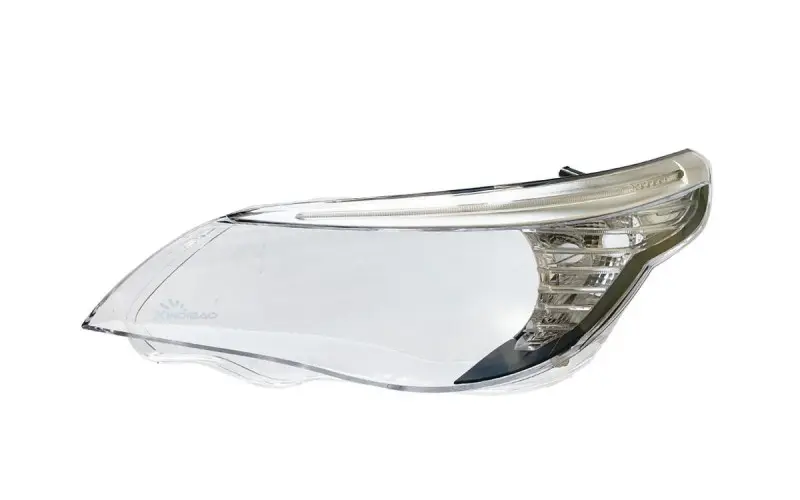
When sourcing automotive lighting components, material quality is one of the most critical factors a distributor must evaluate. The bmw headlight housing market presents a wide range of material options, each carrying different implications for product lifespan, heat resistance, and overall market value. Understanding which materials perform best under real-world conditions helps distributors make smarter procurement decisions and build a more reliable product catalog.
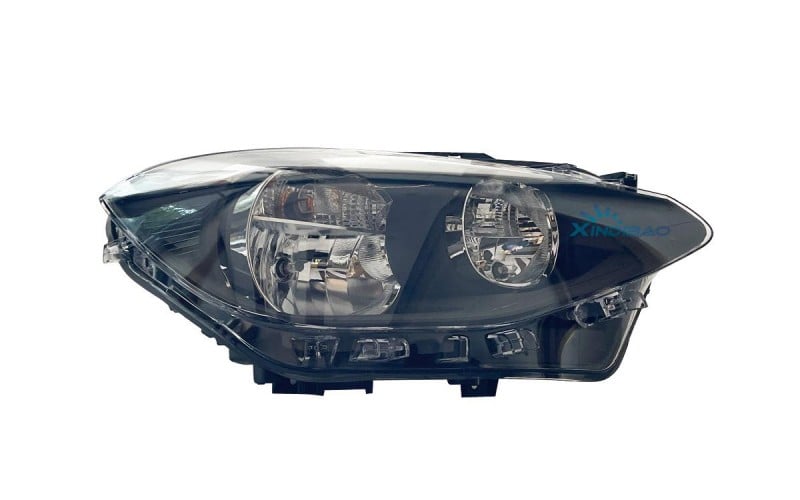
Every bmw headlight housing must withstand UV radiation, road vibration, temperature cycling, and chemical exposure from cleaning products and engine heat. These demands make material selection a technical priority rather than a cosmetic one. Distributors who understand the differences between polycarbonate, ABS blends, and other composite options are far better equipped to serve repair shops, retailers, and fleet buyers with confidence. This article examines which bmw headlight housing materials offer stronger durability and why that matters for your distribution strategy.
Core Materials Used in BMW Headlight Housing Production
Polycarbonate as the Dominant Material Choice
Polycarbonate is the most widely used material in any high-performance bmw headlight housing. It offers outstanding impact resistance, is significantly lighter than glass, and supports precise optical shaping that BMW designs demand. A polycarbonate bmw headlight housing can absorb road debris impacts without cracking, which is a key durability advantage in markets with rough road conditions. This material also handles high operating temperatures generated by halogen and HID light sources without warping or discoloring over time.
From a distributor perspective, polycarbonate-based bmw headlight housing stock tends to generate fewer warranty returns compared to inferior plastic alternatives. The material is inherently resistant to shattering, which reduces transit damage and simplifies your packaging requirements. When you source a bmw headlight housing made from automotive-grade polycarbonate, you are essentially stocking a component that is engineered to maintain its structural integrity across multiple years of active vehicle use.
ABS and Composite Blend Applications
While polycarbonate dominates the lens and outer shell of a bmw headlight housing, the rear housing body and mounting brackets are often produced using ABS plastic or ABS-polycarbonate blends. These materials offer strong dimensional stability, which is critical for proper alignment during installation. A poorly dimensioned bmw headlight housing can cause alignment errors that affect beam projection and create MOT or roadworthy inspection failures for your customers.
ABS composite materials used in the bmw headlight housing structure also provide better resistance to chemical solvents and oils, which frequently come into contact with the housing in engine bay environments. For distributors supplying independent repair workshops, this chemical resistance is a practical selling point that reduces the likelihood of premature part failure complaints. Always verify that the bmw headlight housing you source uses automotive-grade ABS rather than general-purpose plastic compounds.
Durability Factors That Distributors Must Evaluate
UV Coating and Surface Treatment Quality
The raw material of a bmw headlight housing is only part of the durability equation. Surface coatings play an equally important role in long-term performance. Polycarbonate is inherently susceptible to UV degradation, which causes yellowing and hazing over time if left unprotected. High-quality bmw headlight housing products receive a multi-layer UV-resistant hard coat applied during manufacturing, which significantly extends the optical clarity and appearance of the housing.
When evaluating bmw headlight housing suppliers, request information about the UV coating thickness and application method. Vacuum-deposited hard coatings tend to outperform spray-applied coatings in outdoor durability testing. A bmw headlight housing with inadequate UV protection may look acceptable when new but will degrade noticeably within twelve to eighteen months of field use, leading to customer complaints and return pressure on your distribution business.
Thermal Resistance and Heat Dissipation Design
The internal temperature environment of a bmw headlight housing varies considerably depending on whether the vehicle uses halogen, HID, or LED light sources. Halogen bulbs generate significant heat that must be managed by the housing structure itself. A bmw headlight housing designed for halogen applications uses heat-deflecting inner baffles and specific material grades that maintain dimensional stability at elevated temperatures. If the housing material is not thermally rated for the intended light source, deformation near the bulb socket area becomes a common failure mode.
Distributors who stock bmw headlight housing units across multiple BMW model generations must pay attention to the thermal specification of each part number. Supplying a thermally inadequate bmw headlight housing for a halogen-equipped vehicle creates a reliability risk that can damage your reputation with professional installers. Always confirm the thermal tolerance ratings of each bmw headlight housing product before adding it to your active inventory.
Practical Sourcing Guidance for Distributors
Matching Material Quality to Market Segment
Not every distribution channel serves the same buyer profile. A bmw headlight housing sold into a premium independent repair shop demands different material standards than one sold into a budget-oriented parts retailer. Understanding your market segment helps you select the right material specification for each product tier in your catalog. Premium-tier bmw headlight housing products should use OEM-equivalent polycarbonate with certified UV coatings, while economy-tier options should still meet minimum thermal and dimensional standards to avoid systemic returns.
Establishing a clear material specification checklist for your bmw headlight housing procurement process protects your business from inconsistent quality across supplier batches. Ask suppliers to provide material data sheets for the polycarbonate and ABS grades used in each bmw headlight housing. This documentation not only supports your quality assurance process but also builds credibility when selling to professional workshop accounts that require verified part quality.
Evaluating Supplier Consistency Across Batches
One of the most overlooked durability risks in bmw headlight housing sourcing is batch-to-batch material inconsistency. Some suppliers substitute lower-grade plastics when primary material costs increase, without informing distributors. Conducting periodic physical inspection of incoming bmw headlight housing shipments, including weight checks and lens clarity assessments, helps detect material downgrades before they reach your customers. A consistent bmw headlight housing product builds long-term buyer loyalty, while inconsistent quality drives buyers toward competitors.
FAQ
What makes polycarbonate the preferred material for a bmw headlight housing?
Polycarbonate offers the best combination of impact resistance, optical clarity, and lightweight properties for any bmw headlight housing. It resists cracking under road debris impacts, supports precise lens shaping, and handles heat from halogen and HID sources better than alternative plastics, making it the standard material choice across OEM and aftermarket bmw headlight housing production.
How does UV coating affect the lifespan of a bmw headlight housing?
Without a quality UV-resistant hard coat, the polycarbonate surface of a bmw headlight housing will yellow and haze within one to two years of sun exposure. A properly applied UV coating extends optical clarity and appearance significantly. Distributors should always verify coating quality specifications before sourcing any bmw headlight housing to avoid warranty returns from premature lens degradation.
Why should distributors care about the thermal rating of a bmw headlight housing?
The thermal rating of a bmw headlight housing determines whether the housing materials can withstand the heat generated by the installed light source without warping or deforming. Supplying a thermally underrated bmw headlight housing for a halogen vehicle leads to premature failure near the bulb socket area. Matching the thermal specification of the bmw headlight housing to the intended light source is essential for maintaining product reliability and protecting your distribution reputation.