
 EN
EN
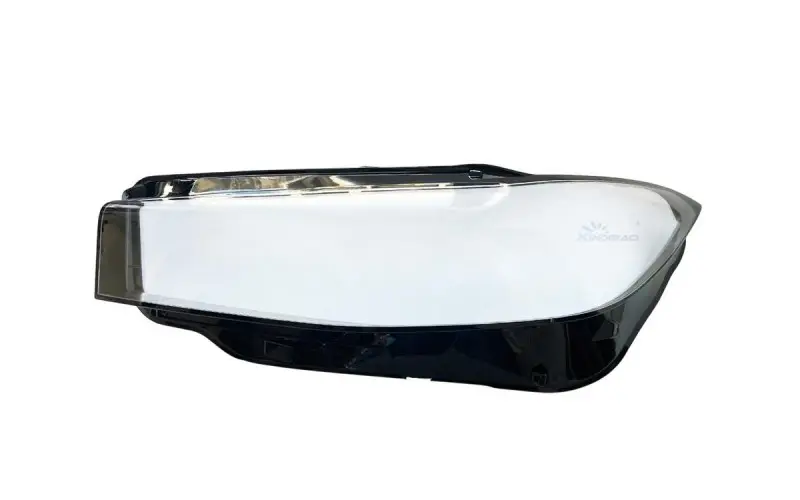
Sourcing the right bmw headlight lens cover in bulk requires more than simply comparing price sheets. A bmw headlight lens cover that looks acceptable in a product photo can fail within weeks of installation if the underlying material quality, optical clarity, or fit precision does not meet the required standard. For distributors and auto parts wholesalers, the cost of a bad procurement decision multiplies quickly across hundreds or thousands of units.
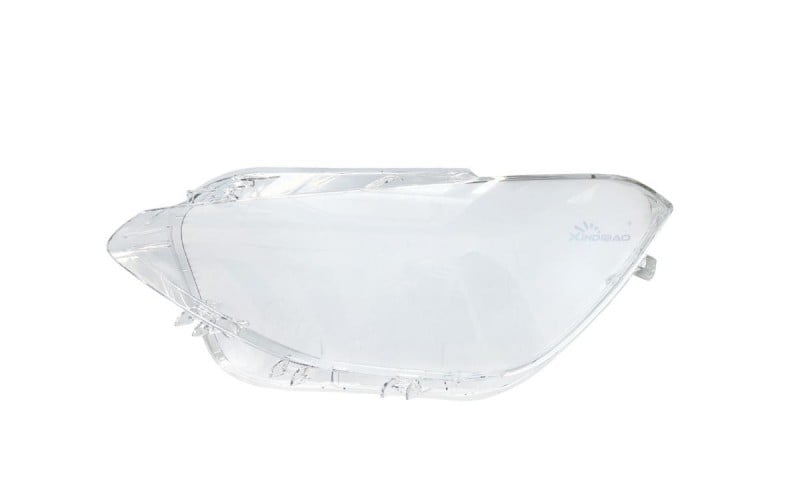
This guide is designed specifically for B2B buyers who need a structured, reliable method to evaluate bmw headlight lens cover quality before committing to bulk orders. By applying the criteria outlined here, procurement teams can reduce rejection rates, protect their brand reputation, and build lasting supplier relationships based on consistent product performance. Each bmw headlight lens cover evaluation step addresses a dimension that directly affects end-customer satisfaction and long-term durability.
Material and Optical Quality Assessment
Polycarbonate Grade and UV Resistance
The foundation of any reliable bmw headlight lens cover is the raw material used in its manufacture. High-quality covers are made from automotive-grade polycarbonate, which provides the necessary impact resistance and optical transparency. When evaluating a bmw headlight lens cover sample, always request material certification or resin grade documentation from the supplier. A bmw headlight lens cover made from recycled or substandard polycarbonate will show yellowing, hazing, or micro-cracking within a short service period, especially under UV exposure conditions common in outdoor environments.
UV coating quality is equally critical for every bmw headlight lens cover. A properly coated bmw headlight lens cover should withstand standardized UV weathering tests without significant loss of transmittance. Ask suppliers for UV resistance test reports and inspect sample covers under a UV lamp to detect any early signs of degradation. The surface of a quality bmw headlight lens cover should remain optically clear and scratch-resistant even after accelerated aging simulation.
Optical Clarity and Light Transmission
A bmw headlight lens cover directly affects how light is distributed on the road, making optical clarity a non-negotiable quality factor. Measure light transmittance on sample units using a hazemeter or spectrophotometer to confirm values align with OEM specifications. A premium bmw headlight lens cover should deliver transmittance values consistent with original equipment performance standards. Any internal distortion, cloudiness, or flow lines visible in the bmw headlight lens cover material are signs of poor mold control or incorrect processing temperatures during production.
Dimensional Fit and Structural Integrity
Precision Fitment Verification
A bmw headlight lens cover that does not fit precisely creates installation problems, seal failures, and water ingress, all of which generate customer complaints and costly returns. During sample evaluation, physically mount the bmw headlight lens cover onto the correct housing model — for example, the BMW 1 Series F20 housing — and inspect the gap uniformity, clip engagement, and edge sealing contact. Any misalignment in a bmw headlight lens cover indicates dimensional deviation from the original part drawing. Request dimensional inspection reports and tolerance specifications from suppliers before placing a bulk order.
The bonding flange of the bmw headlight lens cover is a particularly important area. Inspect this zone for warping, shrinkage marks, or inconsistent thickness. A warped bonding flange on a bmw headlight lens cover will compromise the adhesive bond during assembly, increasing the risk of moisture infiltration. Suppliers who provide consistent bmw headlight lens cover fitment quality typically maintain strict mold maintenance schedules and in-process inspection protocols.
Structural Stress Testing
Beyond fitment, the bmw headlight lens cover must resist thermal and mechanical stress encountered during normal vehicle operation. Conduct a thermal cycle test on sample covers by exposing each bmw headlight lens cover to alternating high and low temperatures to check for cracking, delamination, or dimensional distortion. A robust bmw headlight lens cover should maintain its shape and surface integrity after repeated thermal cycling. Additionally, conduct a simple impact resistance test by applying measured force to different zones of the bmw headlight lens cover surface to confirm the material behaves predictably without brittle fracture.
Supplier Process and Batch Consistency Evaluation
Production Process Transparency
Evaluating a single sample bmw headlight lens cover is not sufficient for bulk procurement decisions. Batch consistency is the true test of a supplier's manufacturing capability. Request three to five sample units from different production batches and compare them side by side. A reliable supplier will produce each bmw headlight lens cover with consistent color tone, surface finish, wall thickness, and optical clarity across all batches. Significant variation between samples signals poor process control and predicts quality instability in bulk shipments of the bmw headlight lens cover.
Visit the production facility if possible, or request a detailed factory audit report covering the injection molding equipment, quality control checkpoints, and material traceability system. A factory that can demonstrate documented control over its bmw headlight lens cover production process — from raw material incoming inspection to final dimension check — is significantly more likely to deliver consistent quality at scale. Always confirm that the supplier uses dedicated molds for the specific bmw headlight lens cover model rather than shared or improvised tooling.
Packaging and Pre-Shipment Inspection
The way a supplier packages the bmw headlight lens cover reveals much about their quality culture. Each bmw headlight lens cover should be individually wrapped with protective film and cushioned against impact during transit. Inspect whether the packaging prevents surface scratching, lens distortion, or edge chipping. Before finalizing a bulk order, request a pre-shipment inspection report or arrange for a third-party inspector to verify that the production batch matches the approved sample bmw headlight lens cover in all key dimensions and surface quality criteria. This step is especially important when working with new suppliers for the first time.
FAQ
What material should a quality bmw headlight lens cover be made from?
A quality bmw headlight lens cover should be manufactured from automotive-grade polycarbonate resin with a UV-resistant hard coating applied to the outer surface. This material combination ensures the bmw headlight lens cover maintains optical clarity, impact resistance, and weather durability throughout its service life.
How many samples should I request before bulk ordering a bmw headlight lens cover?
It is advisable to request at least three to five samples from separate production batches before committing to a bulk bmw headlight lens cover order. Comparing multiple samples helps identify batch-to-batch variation and confirms that the supplier can maintain consistent bmw headlight lens cover quality at scale.
What tests are most important when evaluating a bmw headlight lens cover?
The most important tests include light transmittance measurement, UV weathering resistance assessment, thermal cycle testing, and physical fitment verification on the correct housing model. Running these tests on each candidate bmw headlight lens cover gives procurement teams a complete picture of both optical performance and structural durability before bulk procurement is approved.