 EN
EN
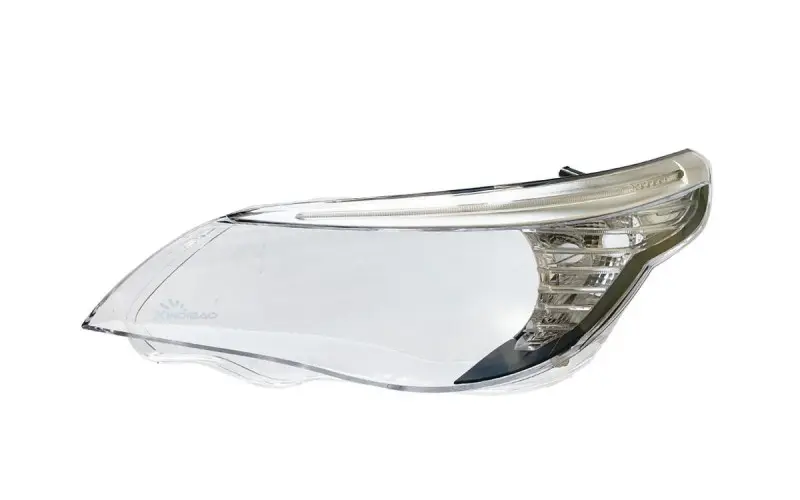
When sourcing automotive lighting components at scale, every decision carries significant commercial weight. A bmw headlight is not a simple commodity — it is a precision-engineered assembly that must meet strict compatibility, performance, and safety standards. For auto parts wholesalers, understanding which bmw headlight features truly matter is the difference between a profitable product line and a costly inventory problem. The right knowledge enables smarter procurement, stronger customer satisfaction, and fewer returns.
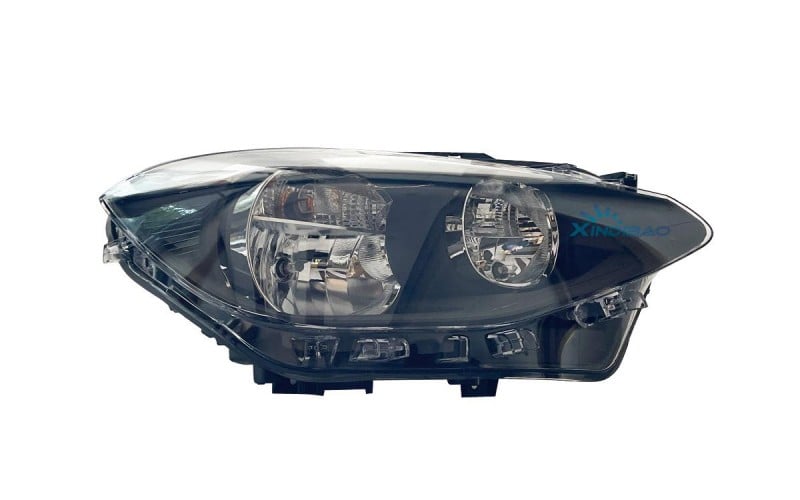
The bmw headlight market spans a wide range of technologies and vehicle generations. From halogen units on earlier F-series models to adaptive LED systems on newer platforms, each bmw headlight type serves a distinct customer need. Wholesalers who fail to differentiate between these categories risk stocking parts that do not align with buyer demand. This article breaks down the most critical selection criteria so your sourcing decisions are grounded in practical, market-relevant knowledge.
Optical Technology and Light Source Type
Halogen vs. LED vs. Adaptive Lighting
The light source is the most fundamental feature of any bmw headlight. Halogen bmw headlight units remain popular for older model years because of their lower cost and straightforward installation. These units are common in F20, F30, and similar platforms, and they represent a high-volume opportunity for wholesalers serving the budget-conscious repair segment. A halogen bmw headlight is easier to stock in larger quantities because demand is steady and replacement cycles are predictable.
LED technology has become increasingly standard across newer bmw headlight configurations. An LED bmw headlight offers longer service life, lower power consumption, and a sharper light output that many end customers prefer. However, LED assemblies are more complex, and their higher unit price means wholesalers must balance inventory investment against turnover rate. Understanding which vehicle generations use LED as standard versus optional equipment is essential before committing to bulk orders.
Adaptive bmw headlight systems introduce a further layer of complexity. These units adjust beam direction based on steering input and vehicle speed. While they are impressive in performance, they require precise calibration after installation and are typically reserved for premium trim levels. Wholesalers catering to professional body shops and authorized service centers may find adaptive bmw headlight units worthwhile, but they require accurate fitment data and technical documentation to sell effectively.
Projector Beam Design and Light Distribution
Beyond the light source, beam design affects how a bmw headlight performs on the road and how it is perceived by buyers. Projector-style bmw headlight units produce a more focused and controlled beam pattern compared to reflector-style designs. This distinction matters to discerning customers and workshops that prioritize road safety compliance. When sourcing, confirm whether the bmw headlight assembly uses a projector lens and whether it includes the necessary leveling motor for beam adjustment.
OEM Compatibility and Fitment Accuracy
Model Year and Chassis Code Alignment
A bmw headlight must match the exact chassis code and production year of the target vehicle. BMW frequently updates headlight designs mid-cycle, meaning a bmw headlight sourced for an F20 built in 2012 may not be compatible with one built in 2016. Wholesalers must work with suppliers who provide detailed fitment charts and can specify production date ranges. Inaccurate fitment is one of the leading causes of returns in the auto parts wholesale business.
When evaluating a bmw headlight supplier, request the full OEM part number reference alongside any aftermarket equivalent numbers. This cross-reference capability confirms that the bmw headlight has been designed and tested against original specifications. It also simplifies the sales process for your own customers, who can quickly verify compatibility without guesswork. Accurate part number data is a competitive advantage in wholesale procurement.
Plug-and-Play Wiring and Connector Standards
A quality bmw headlight should offer plug-and-play installation without requiring wiring modifications. BMW uses proprietary connector standards that vary across model families and production years. A bmw headlight with incorrect connector configurations forces installers to use adapters, which introduces reliability risks and undermines customer confidence. Always confirm connector type compatibility as part of your sourcing checklist. This detail is particularly important when ordering the bmw headlight for specific F-series applications where wiring standards differ from earlier E-series designs.
Build Quality, Certification, and After-Sale Reliability
Housing Material and Ingress Protection
The physical construction of a bmw headlight directly affects its service life and end-user satisfaction. High-quality bmw headlight units use polycarbonate lenses with UV-resistant coatings to prevent yellowing and hazing over time. The housing seal must provide adequate ingress protection against water and dust infiltration. A bmw headlight that allows moisture entry will fail prematurely, generating warranty claims and damaging your reputation as a wholesaler. Request test data or certifications that confirm IP-rating compliance before approving any bmw headlight for your catalog.
Thermal management is another construction factor that separates a reliable bmw headlight from a substandard one. LED bmw headlight assemblies generate heat at the driver board level, and without proper heat dissipation design, the unit will degrade quickly. Look for bmw headlight products that include aluminum heat sinks or thermal paste interfaces between LED components and the housing. These internal details are not always visible from product photos, so requesting cross-section samples or detailed technical sheets is a worthwhile step in your evaluation process.
Certification Standards and Compliance Documentation
Every bmw headlight intended for road use should carry recognized certification marks such as ECE R112 or equivalent regional standards. These certifications confirm that the bmw headlight has passed beam pattern, intensity, and durability testing. For wholesalers operating across multiple markets, compliance documentation is not optional — it is a legal and commercial necessity. A certified bmw headlight protects your business from liability and reassures professional buyers that they are sourcing compliant components.
Beyond regulatory certification, supplier quality management systems matter greatly. A supplier who manufactures bmw headlight products under ISO 9001-certified processes demonstrates a commitment to consistent output and traceability. This reduces the risk of quality variation across production batches — a critical concern when you are placing repeat orders for a high-demand bmw headlight model.
FAQ
What is the most important factor when sourcing a bmw headlight for wholesale?
Fitment accuracy is the single most critical factor. A bmw headlight must match the exact model year, chassis code, and trim configuration to ensure proper installation. Errors in fitment lead to returns and lost customer trust, making precise compatibility data essential for any wholesale sourcing decision.
How do I choose between a halogen and LED bmw headlight for my inventory?
The choice depends on your target customer base and vehicle coverage. A halogen bmw headlight suits high-volume, budget-focused repair segments and older model years. An LED bmw headlight appeals to customers prioritizing performance and longevity, and it fits newer platforms. Stocking both types allows you to serve a broader market effectively.
Why does certification matter when selecting a bmw headlight supplier?
Certification confirms that a bmw headlight has been independently tested for beam performance, safety, and durability. Sourcing a non-certified bmw headlight exposes your business to legal liability and increases the risk of customer complaints. Verified compliance documentation protects both your brand and your buyers in regulated markets.