 EN
EN
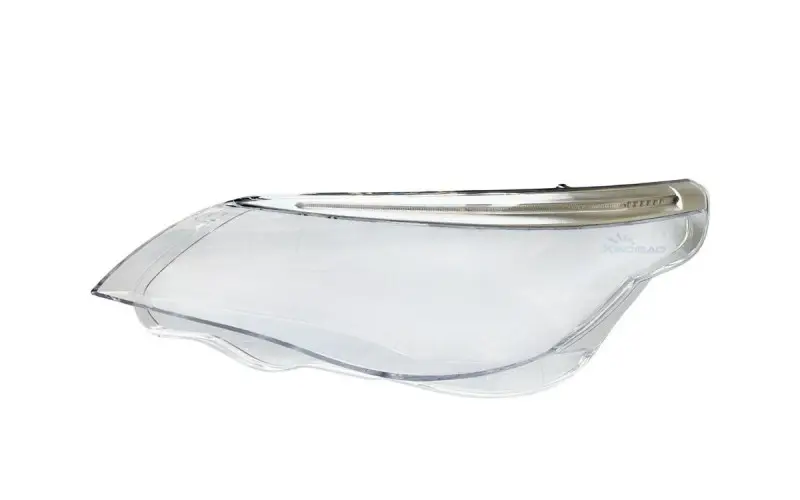
Sourcing a bmw headlight for resale or fleet replenishment is not simply a matter of finding the right part number and placing an order. Every bmw headlight that enters your inventory carries regulatory, safety, and compatibility obligations that can affect your business reputation, legal standing, and customer satisfaction. Before committing to a bulk purchase, buyers must understand which certifications signal genuine quality and which gaps in documentation should raise immediate concern.
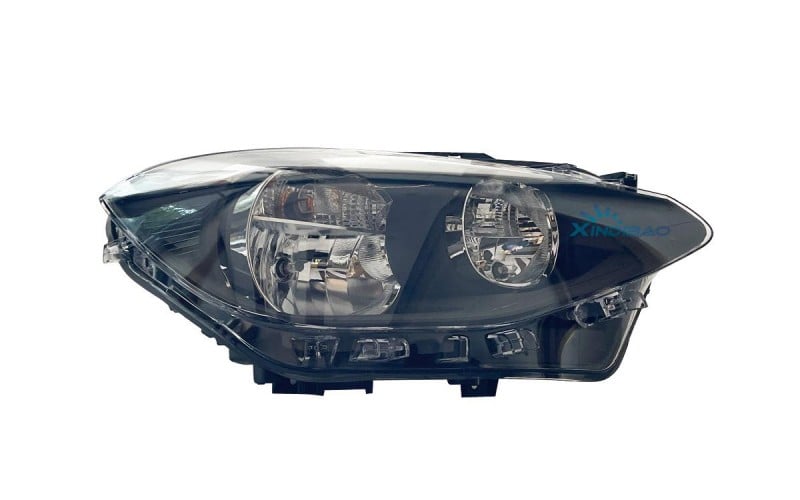
The bmw headlight market includes original equipment parts, OEM-equivalent aftermarket units, and lower-grade alternatives that vary widely in build quality and certification status. Buyers who skip the certification review stage often face returns, failed inspections, or liability issues down the line. This guide explains exactly which certifications matter, why each one is relevant to the bmw headlight you plan to stock, and how to use that knowledge to make smarter sourcing decisions.
Core Safety and Regulatory Certifications for BMW Headlight Inventory
ECE R112 and ECE R123 Homologation
For any bmw headlight intended for markets in Europe or regions that follow United Nations vehicle regulations, ECE homologation is the foundational certification to verify. ECE R112 covers fixed-beam headlamps, while ECE R123 applies to adaptive front-lighting systems, which are common in modern bmw headlight assemblies. A bmw headlight carrying a valid ECE mark has been tested for beam pattern, luminous intensity, glare control, and durability. Without this mark, a bmw headlight may fail roadworthiness inspections and cannot be legally sold or installed in ECE-regulated territories. Always ask suppliers to provide the specific ECE certificate number for the exact bmw headlight model you are ordering, not just a general product catalog reference.
DOT FMVSS 108 Compliance for North American Markets
Buyers sourcing a bmw headlight for the North American market must confirm compliance with Federal Motor Vehicle Safety Standard 108, commonly known as FMVSS 108. This standard governs photometric performance, color, and physical durability for all forward lighting on vehicles sold or operated in the United States and Canada. A bmw headlight that carries a DOT marking must meet these requirements, but buyers should be aware that DOT self-certification is permitted under US law, meaning some suppliers self-certify without independent testing. For high-volume bmw headlight inventory purchases, request third-party test reports from an accredited laboratory to confirm that FMVSS 108 performance benchmarks have actually been validated rather than simply claimed.
Quality Management and Manufacturing Certifications to Evaluate
ISO 9001 Quality Management System Certification
A bmw headlight supplier holding ISO 9001 certification operates under a documented quality management system that covers design controls, production processes, inspection protocols, and corrective action procedures. ISO 9001 does not certify the bmw headlight product itself, but it certifies that the manufacturer has the process controls in place to produce consistent, reliable output. When evaluating bmw headlight inventory from a new supplier, ISO 9001 status is a meaningful indicator that production variability is actively managed. Ask for a current, valid certificate rather than an expired or unverified copy, and verify the certificate scope covers the specific manufacturing facility producing the bmw headlight you intend to purchase.
IATF 16949 Automotive-Specific Quality Certification
IATF 16949 is an automotive sector-specific extension of ISO 9001, developed through collaboration between major automotive manufacturers and their supply chains. A bmw headlight producer certified to IATF 16949 demonstrates compliance with more rigorous defect prevention, supply chain traceability, and continuous improvement requirements than ISO 9001 alone requires. For buyers purchasing bmw headlight inventory at scale, IATF 16949 certification from the supplier reduces the risk of receiving batches with inconsistent optical performance, poor housing fit, or premature seal failures. This certification is particularly relevant when the bmw headlight in question involves complex electronic modules, adaptive lighting functions, or integrated LED driver systems.
Product-Specific and Material Certifications for BMW Headlight Components
RoHS Compliance and Environmental Certification
Any bmw headlight sold in the European Union or in markets aligned with EU environmental directives must comply with the Restriction of Hazardous Substances Directive, commonly known as RoHS. RoHS compliance means the bmw headlight assembly does not contain restricted levels of hazardous materials such as lead, mercury, cadmium, or certain flame retardants in its electronic components and wiring harnesses. Buyers who ignore RoHS status risk having their bmw headlight inventory rejected at customs, recalled from distribution, or penalized under local environmental law. A reputable supplier will provide RoHS compliance declarations and, where required, test reports that confirm material composition for the bmw headlight product line in question.
IP Rating Certification for Sealed Headlight Assemblies
Many modern bmw headlight assemblies are fully sealed units that must maintain protection against moisture and dust ingress. The Ingress Protection rating, or IP rating, tells buyers exactly how well a bmw headlight housing resists environmental intrusion. A bmw headlight with an IP67 or IP68 rating has been tested for dust-tight performance and submersion resistance, which is critical for vehicles operating in wet or harsh conditions. When evaluating a bmw headlight for fleet or wholesale inventory, confirm that the IP rating has been independently tested and documented, not simply stated in a marketing brochure. This small verification step can prevent warranty disputes caused by condensation inside sealed bmw headlight units after installation.
FAQ
Why does certification matter more for a BMW headlight than for generic lighting parts?
A bmw headlight is an engineered assembly designed to precise optical and electronic tolerances specific to BMW vehicle platforms. Generic lighting parts often serve broad vehicle categories, but a bmw headlight must align with vehicle-specific beam geometry, connector configurations, and control module compatibility. Because the performance and legal requirements are more defined, certification gaps in a bmw headlight carry higher risk of misfit, safety failure, or non-compliance than equivalent gaps in a simpler generic component.
Can a BMW headlight supplier provide certifications on request?
A credible bmw headlight supplier will provide certification documentation without hesitation when asked. This includes ECE homologation certificates, DOT compliance test reports, ISO or IATF quality certificates, RoHS declarations, and IP rating test records. If a supplier hesitates, provides only partial documents, or cannot supply a bmw headlight certificate with a verifiable registration number, buyers should treat this as a significant sourcing risk. Requesting documentation upfront is standard procurement practice and should be written into any purchase agreement covering bmw headlight inventory.
How often should certification status be reviewed for recurring BMW headlight orders?
Certification status for a bmw headlight supplier should be reviewed at least annually or whenever a supplier undergoes a change in manufacturing location, ownership, or production process. Certificates expire, and a bmw headlight supplier that was certified two years ago may have lapsed or changed its production standards since then. Building a regular certification review cycle into your procurement process ensures that every bmw headlight order you place continues to meet the safety, quality, and regulatory standards your customers and markets require.